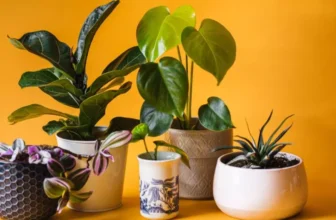

You’re admiring your plant, noticing its glossy leaves and sturdy stems, but are you truly aware of the signs that indicate its well-being? Understanding these subtle cues can help you ensure your plant is not just surviving but thriving. By recognizing the seven key indicators of a happy and healthy plant, you can cultivate a greener thumb and foster a harmonious relationship with your botanical companions.
Lush and Vibrant Leaves
If your plant’s leaves are lush and vibrant, it’s a clear sign that it’s happy and healthy. The richness of the green color indicates that your plant is receiving an adequate amount of sunlight. Sunlight is crucial for the process of photosynthesis, which is how plants produce their food and energy. Additionally, vibrant leaves suggest that your plant is well-watered. Adequate hydration is essential for plants to thrive, as water helps transport nutrients from the soil to different parts of the plant.
When your plant’s leaves are vibrant, it also indicates that it isn’t struggling with any pests or diseases. Pests and diseases can cause discoloration, spots, or wilting of leaves. By maintaining lush and vibrant leaves, your plant is showing resilience against common issues that can affect its health. Remember to continue providing the right amount of water, sunlight, and care to ensure that your plant remains happy and healthy.
Strong and Sturdy Stems
Your plant’s health is also reflected in the strength and resilience of its stems. Strong and sturdy stems are crucial for providing support to your plant, allowing it to stand tall and thrive. When your plant has robust stems, it indicates that it’s receiving adequate sunlight, water, and nutrients for optimal growth.
To ensure your plant maintains strong stems, make sure it’s receiving the right amount of water – not too much to cause root rot, and not too little to wilt the stems. Providing adequate sunlight is also essential, as it helps the plant photosynthesize efficiently, leading to sturdy stem development. Additionally, using a suitable fertilizer can promote healthy stem growth by providing essential nutrients.
Regularly inspect your plant’s stems for any signs of weakness or damage. If you notice any issues, take prompt action to address them and prevent further complications. By caring for your plant’s stems and ensuring they remain strong and sturdy, you’re contributing to its overall well-being and longevity.
Burst of New Growth
A burst of new growth in your plant signifies thriving health and vitality. When you notice fresh leaves unfurling or new stems reaching towards the light, it’s a clear indication that your plant is in a happy state. This new growth shows that your plant is receiving the right amount of sunlight, water, and nutrients it needs to flourish.
New growth often appears as vibrant green shoots emerging from the existing foliage. These young leaves are full of energy and contribute to the overall beauty of your plant. They indicate that your plant is actively photosynthesizing and producing the food it needs to grow and thrive.
To encourage continued new growth, make sure to provide your plant with proper care and maintenance. Regularly check the soil moisture, ensure adequate sunlight exposure, and fertilize as needed. By nurturing your plant and observing its burst of new growth, you’ll be rewarded with a flourishing and healthy plant that brings joy to any space.
Active Root Development
Witnessing active root development in your plant is a sure sign of its robust health and vitality. Strong and healthy roots are crucial for providing stability and absorbing essential nutrients for your plant’s overall well-being. You can observe active root growth by checking for new, white, fuzzy roots emerging from the soil. These new roots indicate that your plant is actively seeking out nutrients and moisture to support its growth.
To encourage active root development, ensure that your plant is in a well-draining pot with quality soil. Overwatering can lead to root rot and hinder healthy root growth, so it’s essential to strike a balance with your watering routine. Healthy roots will appear firm and white, while unhealthy roots may be mushy or discolored. Regularly inspecting your plant’s roots can help you catch any issues early on and take corrective action.
Incorporating root-friendly practices, such as repotting when necessary and providing adequate drainage, will support your plant in establishing a strong and flourishing root system. Active root development is a positive indicator of your plant’s thriving condition and sets the foundation for continued growth and vitality.
Balanced Watering Needs
Maintaining a balanced watering schedule is crucial for ensuring the health and vitality of your plant. Proper watering is essential for plant growth, as both underwatering and overwatering can lead to issues. An underwatered plant may have wilting leaves, dry soil, or drooping stems, while an overwatered plant can suffer from yellowing leaves, root rot, or mold growth. To determine the watering needs of your plant, consider factors like the plant type, size of the pot, humidity levels, and soil type.
Check the soil moisture regularly by inserting your finger into the soil about an inch deep. If it feels dry, it’s time to water, but if it’s still moist, hold off on watering to prevent overhydration. Remember that different plants have varying water requirements, so research your specific plant’s needs. Additionally, using pots with drainage holes can help prevent waterlogging. By paying attention to your plant’s watering needs, you can promote healthy growth and overall well-being.
Resistance to Pests and Diseases
To ensure your plant’s continued health and vitality, a key indicator is its resilience against pests and diseases. When your plant shows resistance to pests and diseases, it demonstrates that it’s in good condition. Healthy plants have natural defense mechanisms that make it difficult for pests and diseases to thrive.
Plants that are thriving typically have strong cell walls that can act as a barrier to invading pests. Additionally, healthy plants produce compounds that repel or even kill pests that try to feed on them. By observing your plant for any signs of pest infestation or disease development, you can address the issue promptly and prevent it from spreading to other parts of the plant or to nearby plants.
To boost your plant’s resistance, ensure it’s receiving adequate sunlight, water, and nutrients. Proper care and maintenance will help your plant stay strong and ward off pests and diseases effectively. Regularly inspecting your plant for any early signs of trouble will also aid in maintaining its health and vitality.
Regular Flowering or Fruiting
Regularly observing your plant’s flowering or fruiting patterns can provide valuable insights into its overall health and well-being. Consistent and healthy flowering or fruiting is a good indicator that your plant is thriving. Plants require certain conditions to produce flowers or fruits, such as adequate sunlight, water, and nutrients. If your plant is flowering or fruiting regularly, it signifies that it’s receiving the necessary care and environmental conditions to support its growth and development.
An abundance of flowers or fruits can also indicate that your plant is happy and healthy. When a plant is well-nourished and in a favorable environment, it tends to produce more flowers or fruits as a way of reproducing. This natural process showcases that your plant isn’t just surviving but actively reproducing and propagating, which is a sign of good health.
In contrast, a lack of flowering or fruiting could suggest underlying issues such as nutrient deficiencies, insufficient light, or improper care. Monitoring your plant’s flowering or fruiting behavior can help you identify and address any potential problems promptly, ensuring your plant remains happy and healthy.
Garden