
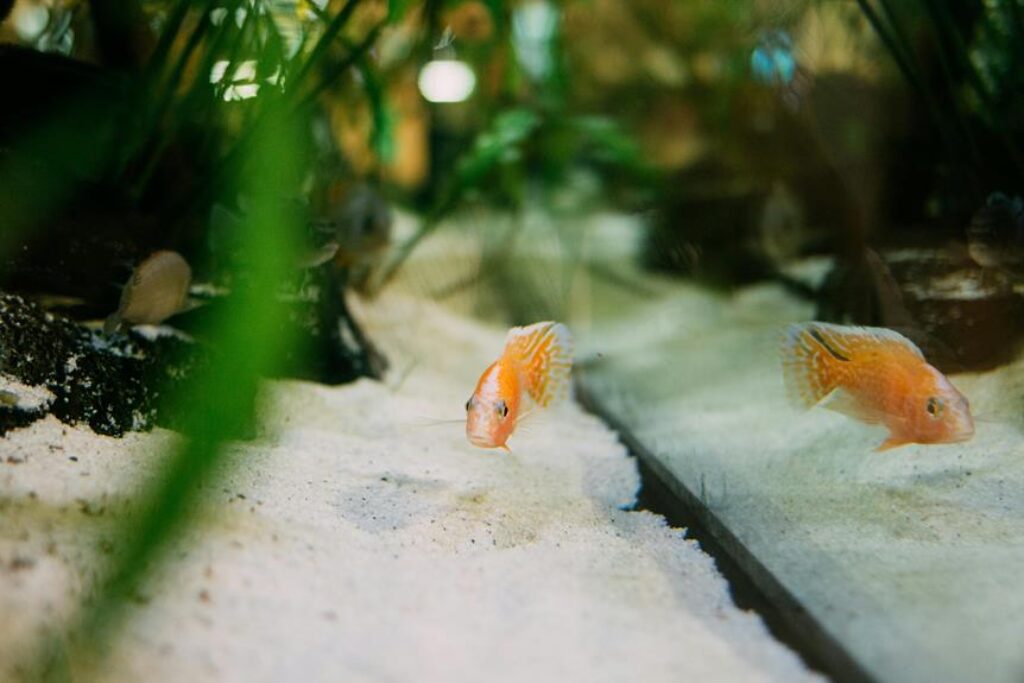
When setting up your aquarium, selecting the right substrate is a crucial decision that can impact the health and well-being of your aquatic ecosystem. Consider the specific needs of your plants and animals to ensure they thrive in their environment. From providing essential nutrients to supporting root development, the substrate plays a vital role in maintaining a balanced ecosystem. But how do you navigate the countless options available and find the perfect match for your aquarium? Let’s explore the key factors that will guide you in making this important decision.
Factors to Consider
When choosing the right substrate for your aquarium, consider the specific needs of your aquatic plants and animals. Different species of plants and animals thrive in varying substrate types, so it’s crucial to match the substrate with their requirements. For example, plants with delicate roots may benefit from a finer substrate to anchor themselves securely. In contrast, burrowing fish might prefer a coarser substrate that allows them to dig and create burrows.
Another factor to consider is the pH level of your aquarium. Some substrates can alter the pH of the water, affecting the overall health of your aquatic ecosystem. Research the pH preferences of your plants and animals to select a substrate that will help maintain a stable pH level.
Additionally, think about the aesthetic appeal of the substrate. Choosing a substrate color that complements the colors of your fish and plants can enhance the visual appeal of your aquarium. Remember, the right substrate not only supports the life within your aquarium but also adds to its overall beauty.
Matching Substrate to Fish Species
Select the substrate for your aquarium based on the specific needs of the fish species you plan to keep. Different fish species have varying substrate requirements. For example, bottom-dwelling fish like catfish and loaches prefer soft substrates such as sand or smooth gravel to prevent injury to their delicate barbels. Cichlids, on the other hand, may prefer coarser substrates like crushed coral or aragonite to help maintain water hardness and pH levels suitable for their well-being.
Consider the natural habitat of the fish you intend to keep when selecting the substrate. For instance, fish from rivers or streams may thrive better with a finer substrate that mimics the sandy or muddy bottoms of their natural environment. In contrast, species originating from rocky habitats might prefer a coarser gravel substrate to provide them with a more natural feel.
Substrate for Plant Growth
To promote healthy plant growth in your aquarium, consider choosing a substrate that supports root development and nutrient absorption. A substrate rich in essential nutrients like iron, potassium, and trace elements is crucial for lush plant growth. Look for substrates specifically designed for planted tanks, as they often contain beneficial components like volcanic soil, peat moss, or clay pellets that aid in root establishment.
These substrates provide a stable anchor for plant roots to grow deep and spread effectively, allowing them to uptake nutrients efficiently. Additionally, substrates with a slightly acidic pH level can help plants absorb nutrients more readily. Consider the size of the substrate particles as well – finer substrates can compact over time, restricting root growth, while larger particles allow for better water circulation and prevent anaerobic pockets.
Importance of Water Parameters
Maintaining proper water parameters is crucial for the overall health and well-being of your aquarium inhabitants. Monitoring factors such as temperature, pH levels, ammonia, nitrite, and nitrate levels is essential to create a stable environment for your fish and plants. Fish are highly sensitive to changes in water conditions, so it’s vital to keep these parameters within the recommended ranges to prevent stress and potential health issues.
Temperature plays a significant role in the metabolic rate of your aquatic pets. Most tropical fish thrive in temperatures between 75-80°F, but it’s essential to research the specific requirements of your fish species. pH levels indicate the acidity or alkalinity of the water, affecting nutrient availability and fish respiration. Ammonia, nitrite, and nitrate levels should be kept at zero or very low levels to prevent toxicity and maintain water quality. Regular testing and maintenance of these parameters will ensure a thriving and balanced aquatic ecosystem in your aquarium.
Aesthetics and Maintenance
Ensuring the visual appeal of your aquarium while keeping up with regular maintenance tasks is crucial for the overall health and vitality of your aquatic environment. When it comes to aesthetics, the substrate you choose plays a significant role. Selecting a substrate color that complements your aquatic plants and fish can enhance the beauty of your aquarium. Light-colored substrates can make your tank appear brighter and more spacious, while darker substrates can create a more dramatic effect.
In terms of maintenance, the type of substrate you opt for can impact how easy or difficult it is to clean your aquarium. Smoother substrates like sand are easier to vacuum during water changes, preventing debris buildup and maintaining water quality. Coarser substrates, such as gravel, can trap more waste and require more thorough cleaning. Consider the time and effort you’re willing to dedicate to maintenance when choosing a substrate, as this can influence the overall enjoyment of your aquarium hobby.
Pet supplies