To cultivate a garden that harmoniously coexists with wildlife, start by carefully selecting native plants that thrive in your area’s unique conditions. These plants serve as essential food sources and habitat for local fauna. Next, consider incorporating water features like birdbaths to attract birds and other creatures seeking hydration. But remember, the use of harmful chemicals can disrupt the delicate balance of your garden ecosystem. Instead, explore organic alternatives for pest control to safeguard your garden’s inhabitants. Lastly, providing shelter through dense vegetation and structures offers a safe haven for wildlife to flourish. Your garden has the potential to become a haven for a variety of creatures, enriching both your surroundings and your soul.
Choosing Native Plants
When creating a wildlife-friendly garden, prioritize choosing native plants for optimal ecological benefits. Native plants have evolved to thrive in your specific region, making them well-suited for the local soil, climate, and wildlife. By selecting native species, you provide essential food and habitat for local birds, insects, and other wildlife, supporting the overall biodiversity of your garden.
Native plants require less water and maintenance compared to non-native species, as they’ve adapted to the natural conditions of your area. This makes them a sustainable choice that can help conserve water and reduce the need for fertilizers or pesticides. Additionally, native plants often have deep root systems that help prevent soil erosion and improve soil health over time.
When choosing native plants for your garden, consider the variety of species available and their different blooming periods to ensure year-round food sources for wildlife. Research which plants are native to your region and consult with local nurseries or gardening experts for recommendations on the best species to support biodiversity in your wildlife-friendly garden.
Providing Water Sources
To further enhance the ecosystem in your wildlife-friendly garden, consider incorporating water sources for the benefit of local wildlife. Water is essential for various animals, providing them with a place to drink, bathe, and even reproduce. You can easily add water sources by including a birdbath, a small pond, or a shallow dish filled with water. These additions will attract a variety of creatures, from birds to insects, enhancing the biodiversity of your garden.
Birds, in particular, are drawn to the sound of running water. Consider adding a small fountain or dripper to create a continuous supply of fresh water. Amphibians like frogs and toads will also benefit from a water feature, as they require water for breeding and hydration. Remember to keep the water clean and fresh to prevent the spread of diseases among your wildlife visitors.
Avoiding Harmful Chemicals
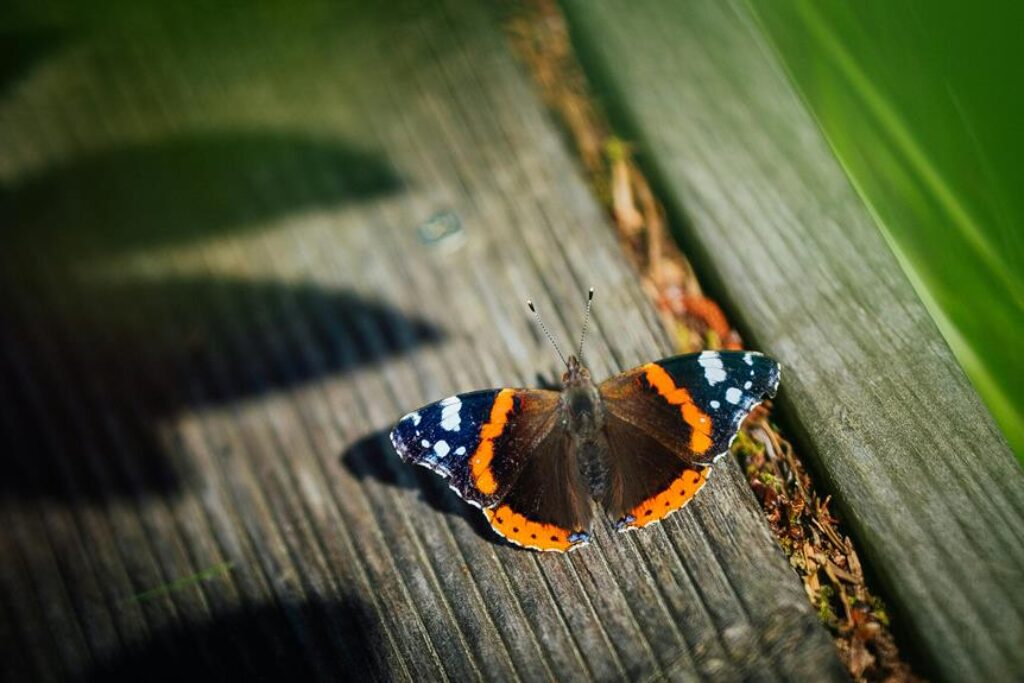
Consider incorporating natural pest control methods in your garden to avoid harmful chemicals that can negatively impact wildlife. Opt for organic pesticides like neem oil, insecticidal soaps, or diatomaceous earth to control pests without harming beneficial insects such as bees and butterflies. Additionally, companion planting, using physical barriers like row covers, and introducing pest predators like ladybugs can help keep pest populations in check without resorting to toxic chemicals.
When fertilizing your garden, choose organic options such as compost or manure instead of synthetic fertilizers. Chemical fertilizers can runoff into water sources, causing pollution and harming aquatic wildlife. Organic fertilizers enrich the soil naturally and support a healthy ecosystem in your garden.
Avoid using herbicides that contain glyphosate or other harmful chemicals to control weeds. Instead, opt for mulching, hand weeding, or using natural weed control methods to keep your garden free of unwanted plants. These practices not only protect wildlife but also promote a more sustainable and environmentally friendly garden.
Creating Shelter and Nesting Sites
Looking to provide a safe haven for wildlife in your garden? Creating shelter and nesting sites is crucial for attracting and supporting a variety of wildlife species. To offer refuge for small mammals, birds, insects, and other critters, consider incorporating a diverse range of habitats within your garden. Dense shrubs, trees, and native plants provide excellent hiding spots and nesting opportunities. Brush piles, rock stacks, and log piles offer additional shelter for creatures seeking protection.
Birdhouses, bat boxes, and insect hotels are fantastic additions to your garden, providing designated spaces for different species to nest and roost. Ensure these structures are securely installed in safe locations away from predators. Leave some areas of your garden untidy with fallen leaves, branches, and debris, as these materials can serve as nesting materials for wildlife.
Remember to avoid disturbing nesting sites during breeding seasons. By creating sheltered spaces and nesting sites in your garden, you can transform it into a thriving ecosystem that supports a diverse array of wildlife.
Garden