When gearing up for trail riding, choosing the right tack is crucial for both you and your horse. Ensuring comfort and safety should be your top priorities as you navigate different terrains and distances. But how do you know which tack will best suit your needs? Understanding the key factors that influence your selection, from saddle fit to bridle communication, can make or break your trail experience. So, saddle up and let’s explore the essential elements that will elevate your trail riding adventures to the next level.
Factors to Consider Before Choosing Tack
Before selecting tack for trail riding, assess your horse’s comfort and fit to ensure a safe and enjoyable ride. Your horse’s well-being is crucial for a successful trail experience. Check for any signs of discomfort or rubbing from previous tack use. Ensure that the saddle pad fits correctly without causing any pressure points. Properly fitting tack can prevent injuries and discomfort for your horse during long rides.
Evaluate your horse’s body shape and size when choosing a saddle. Different horses have varying withers, back lengths, and shoulder angles, so it’s essential to select a saddle that fits your specific horse well. Consider the type of terrain you’ll be riding on. For steep or rugged trails, a saddle with secure rigging and good weight distribution is crucial for stability.
Additionally, think about the climate and weather conditions in your trail riding area. Choose breathable materials that prevent excessive sweating and discomfort. Properly fitting tack not only ensures your horse’s comfort but also enhances your control and communication while riding.
Selecting the Right Saddle for Trail Riding
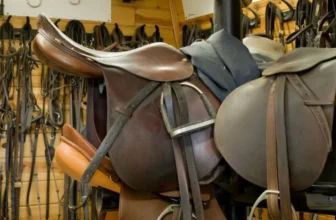
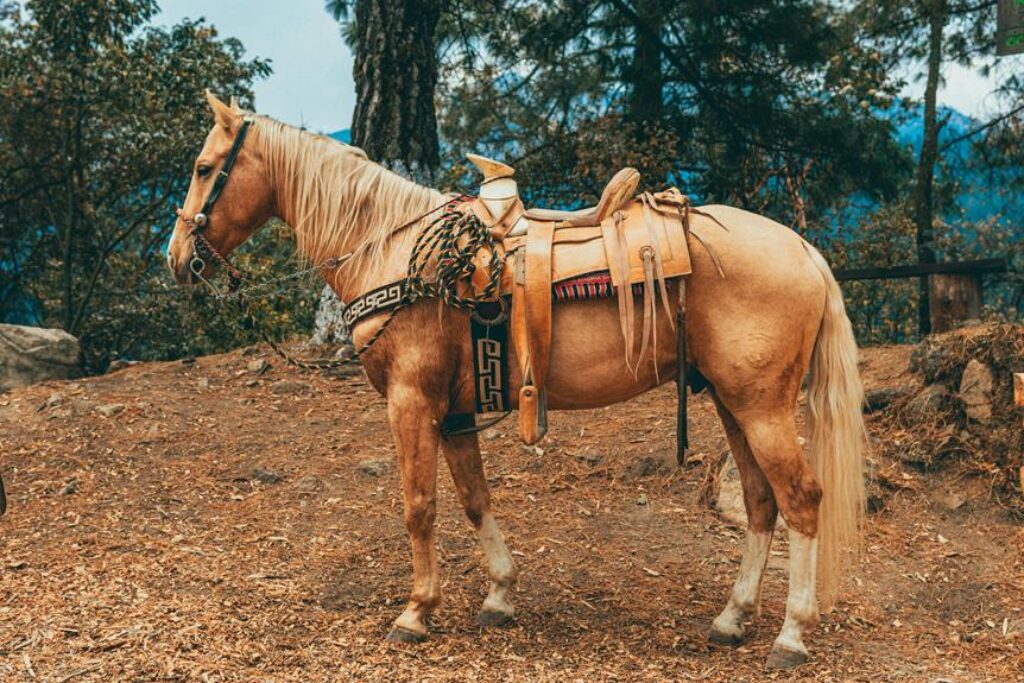
Consider the terrain and your horse’s body shape when selecting the right saddle for trail riding. The saddle plays a crucial role in ensuring both you and your horse are comfortable during long rides. For varied terrains, a versatile Western saddle with a deep seat and high cantle provides stability and security. If you plan to cover long distances, a lightweight endurance saddle with extra padding can help prevent soreness.
When it comes to your horse’s body shape, ensure the saddle tree matches the contour of your horse’s back to prevent pressure points. A well-fitted saddle allows for proper weight distribution and freedom of movement. Look for adjustable rigging options to customize the fit according to your horse’s conformation. Additionally, consider the material of the saddle. Leather saddles are durable and mold to your horse’s shape over time, while synthetic saddles are lightweight and easy to clean. By considering these factors, you can select a saddle that enhances comfort and performance on the trail.
Choosing the Ideal Bridle and Bit
When selecting the ideal bridle and bit for trail riding, prioritize comfort and communication between you and your horse. Opt for a bridle that fits well without causing any rubbing or discomfort. Look for padding on the noseband and browband to prevent chafing during long rides. Ensure the bridle is adjustable to achieve the perfect fit for your horse’s head shape.
Additionally, choose a bit that your horse is comfortable with and responds well to. Some horses prefer a simple snaffle bit, while others may prefer a bit with more control like a curb bit. It’s crucial to select a bit that allows clear communication without causing any pain or distress to your horse.
Experiment with different types of bits during training sessions to determine which one your horse is most responsive to. Remember, the bridle and bit are essential tools for guiding and communicating with your horse on the trail, so prioritize their comfort and effectiveness.
Essential Accessories for Trail Riding
Select the appropriate saddle for comfortable and secure trail riding. A well-fitted saddle is crucial for both you and your horse’s comfort during long rides.
Invest in a saddle pad to provide extra cushioning and protect your horse’s back. Additionally, saddlebags are essential accessories for trail riding. They allow you to carry water, snacks, a first aid kit, and any other necessities you might need on the trail.
Don’t forget to pack a hoof pick to clean your horse’s hooves during rest stops. A quality pair of riding gloves can help prevent blisters and provide better grip on the reins. Sunglasses are also important to protect your eyes from the sun, wind, and debris on the trail.
Lastly, consider bringing along a GPS or map and compass to help you navigate unfamiliar trails. By having these essential accessories, you can ensure a safe and enjoyable trail riding experience.
Pet supplies