
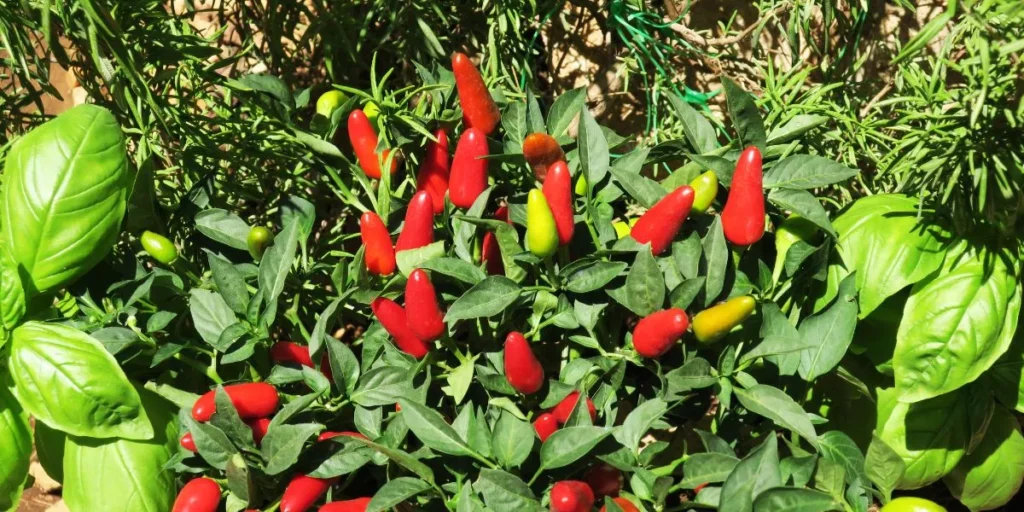
When it comes to growing your own herbs in the kitchen, the journey begins with selecting the perfect herbs that complement your culinary style. From there, it’s all about finding the ideal spot with abundant sunlight and mastering the art of watering and feeding. But the real magic happens when you discover the secret to harvesting and pruning for maximum flavor and growth. So, are you ready to embark on this flavorful adventure and unlock the full potential of your kitchen herb garden?
Choosing the Right Herbs
When selecting herbs for your kitchen, consider your cooking preferences and the amount of natural light available in your space. Think about the herbs you use most frequently in your dishes. If you love Italian cuisine, basil and oregano could be great options. For those who enjoy Mexican flavors, cilantro and jalapeños might be more suitable. The herbs you choose should complement your cooking style and enhance the flavors of your dishes.
Additionally, take into account the natural light conditions in your kitchen. Some herbs, like rosemary and thyme, thrive in full sunlight, while others, such as parsley and mint, can tolerate partial shade. Place your herb pots near a sunny window or under grow lights to ensure they receive an adequate amount of light for photosynthesis.
Selecting the Ideal Location
To cultivate thriving herbs in your kitchen, strategically position your herb pots in locations that receive ample natural light throughout the day. Choose windowsills or countertops near south or west-facing windows for optimal sunlight exposure. Ensure that the chosen spot receives at least 6-8 hours of sunlight daily to promote healthy growth and flavor development in your herbs.
When selecting the ideal location, consider the specific light requirements of each herb variety. For example, herbs like basil, parsley, and mint prefer full sun, while others like chives and cilantro can thrive in partial shade. By understanding the light preferences of your herbs, you can tailor their placement for maximum growth and productivity.
Additionally, avoid placing herb pots near drafty windows or heat sources like radiators, as extreme temperature fluctuations can stress the plants. Keep your herbs away from air conditioning units or heaters to maintain a consistent and moderate temperature for their growth.
Providing Adequate Sunlight
Position your herb pots strategically to ensure they receive adequate sunlight for healthy growth. Herbs typically need around 6-8 hours of sunlight per day to thrive. Place your pots near a south or west-facing window where they can soak up the most sunlight. If natural light is limited in your kitchen, consider using artificial grow lights to supplement the sunlight. These lights should be placed 6-12 inches above the herbs for about 14-16 hours a day.
Keep an eye on your herbs to ensure they’re getting enough sunlight. If you notice them leaning towards the light source or becoming leggy, it may be a sign that they need more sun exposure. Rotate your pots regularly to promote even growth on all sides of the plants.
Remember that different herbs have varying sunlight requirements. While most herbs prefer full sun, some like parsley and cilantro can tolerate partial shade. By understanding the sunlight needs of each herb, you can position them accordingly to help them flourish in your kitchen.
Watering and Feeding Tips
For optimal growth, ensure your herbs receive proper watering and feeding. Water your herbs consistently, but avoid overwatering as it can lead to root rot. The frequency of watering will depend on the specific herb and the moisture level of the soil. As a general rule, water when the top inch of soil feels dry to the touch. It’s better to water deeply and less frequently than to water lightly every day.
When feeding your herbs, use a balanced liquid fertilizer diluted to half the recommended strength. Feed your herbs once a month during the growing season to provide them with essential nutrients for healthy growth. Remember not to over-fertilize, as this can harm your herbs. Pay attention to any signs of nutrient deficiencies such as yellowing leaves or stunted growth, as this may indicate that your herbs need more feeding.
Harvesting and Pruning Techniques
When harvesting and pruning your kitchen herbs, ensure you use sharp scissors or shears to make clean cuts that promote healthy regrowth. Trim your herbs regularly, especially the top leaves, to encourage bushier growth. For leafy herbs like basil, pinch off the tips of the stems to prevent flowering and prolong the harvest period. When harvesting leafy herbs such as parsley or cilantro, cut the outer leaves first, allowing the inner leaves to continue growing.
It’s crucial to prune your herbs correctly to maintain their health and flavor. Remove any yellowing or damaged leaves to prevent the spread of diseases. For woody herbs like rosemary or thyme, trim the stems back to just above a set of leaves to encourage new growth. After harvesting, give your herbs a good rinse to remove any dirt or pests, then pat them dry before storing or using them in your culinary creations. Remember, proper harvesting and pruning techniques will help your kitchen herbs thrive and provide you with a fresh and flavorful supply all year round.
Kitchen Appliances