
When it comes to managing baby motion sickness during travel, the key lies in understanding the signs and implementing effective strategies to alleviate discomfort. By recognizing the symptoms early and employing practical techniques, you can create a more pleasant journey for both you and your little one. Stay tuned to discover valuable insights and actionable steps that can make a significant difference in how you handle baby motion sickness on trips.
Identifying Symptoms of Baby Motion Sickness
If your baby starts to exhibit signs such as excessive drooling, paleness, or sweating during a car ride, they may be experiencing motion sickness. These symptoms are common indicators that your little one isn’t feeling well due to the motion of the vehicle.
Along with these physical signs, you might notice that your baby becomes irritable, fussy, or unusually quiet during the trip. Some babies may also experience vomiting or nausea, especially after prolonged periods of motion.
It’s essential to pay close attention to these symptoms to identify if your baby is indeed suffering from motion sickness. By recognizing these signs early on, you can take proactive steps to help alleviate their discomfort and make the journey more pleasant for both you and your little one.
Remember that every baby is different, so it’s crucial to observe how your baby reacts to motion and make adjustments accordingly to ensure they’re comfortable during travel.
Tips for Minimizing Motion Sickness
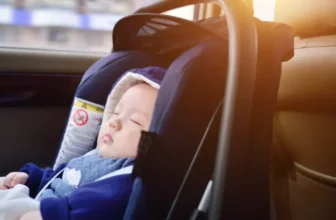
To minimize motion sickness in babies during trips, consider adjusting the seating position to face forward. This helps reduce the conflicting signals the brain receives, which can contribute to motion sickness. Additionally, ensure the car seat is installed correctly and securely to minimize unnecessary movements that can trigger discomfort.
Limiting the consumption of heavy or acidic foods before the trip can also help minimize the chances of motion sickness. Opt for light snacks and encourage frequent but small sips of water to keep your baby hydrated without overwhelming their stomach.
Maintaining a comfortable temperature in the vehicle is essential. Extreme heat or cold can exacerbate feelings of nausea, so try to keep the environment pleasant and well-ventilated.
Lastly, take breaks during long journeys to allow your baby to get some fresh air and stretch their legs. This can help alleviate any feelings of unease and prevent motion sickness from escalating. By following these simple tips, you can help minimize motion sickness and ensure a more pleasant trip for both you and your little one.
Best Practices for Soothing Baby
When your baby shows signs of discomfort due to motion sickness, employing effective soothing techniques can make a significant difference in their comfort and well-being.
To soothe your baby during bouts of motion sickness, try gently rocking or swaying them in your arms. The rhythmic motion can help calm their stomach and alleviate nausea. Additionally, offering a pacifier or a small snack like crackers can provide a distraction and prevent further discomfort.
Creating a calming environment by reducing noise and dimming lights in the car or on the journey can also help ease your baby’s symptoms. Playing soft music or white noise can further aid in soothing them during travel. It’s essential to keep your baby upright after feeding to prevent aggravating their motion sickness.
Moreover, carrying familiar items like a favorite blanket or toy can provide comfort and security, reducing anxiety that may worsen their condition. By incorporating these soothing practices, you can help alleviate your baby’s discomfort and make traveling more manageable for both of you.
Preventing Motion Sickness on Future Trips
For a smoother travel experience with your baby in the future, consider implementing proactive measures to prevent motion sickness. Start by ensuring your baby sits facing forward in their car seat or in a position where they can see a stable horizon. This visual stability can help reduce feelings of nausea and dizziness.
Additionally, avoid feeding your baby right before a trip to prevent an upset stomach. Opt for light, non-greasy snacks instead. Keep the vehicle well-ventilated and take breaks during long journeys to allow your baby to get some fresh air and stretch their legs.
Consider playing soothing music or engaging with interactive toys to distract your baby during travel. If possible, choose routes with fewer twists and turns or opt for smoother modes of transportation.
Lastly, consult with your pediatrician about safe anti-nausea remedies for babies, such as specially formulated wristbands or natural ginger supplements. By taking these precautions, you can help minimize the risk of motion sickness and ensure a more enjoyable trip for both you and your little one.
Baby products